
For years, the sauna was something most Filipinos only encountered at a hotel spa or a high-end gym. In 2025, that's changing fast. Search interest in saunas across the Philippines has climbed sharply, with more people asking not just where to find one, but what a sauna actually does for the body, and increasingly, how to bring one home.
So before you book your next spa day, here's what heat therapy really offers, the benefits backed by research, the trade-offs worth knowing, and why home saunas have quietly become one of the country's fastest-growing wellness trends.
What is a sauna, exactly?
A sauna is a heated room, typically warmed to between 65°C and 90°C, designed to raise your body temperature in a controlled way. Traditional saunas heat the air around you, while infrared saunas use light to warm your body directly at lower, gentler temperatures. Either way, the goal is the same: a deep, sweat-inducing warmth that prompts a cascade of responses in the body.
That rise in temperature makes your heart beat faster, opens up your blood vessels, and gets you sweating, a mild physiological "workout" that's part of why saunas feel so restorative.
The science-backed benefits of using a sauna
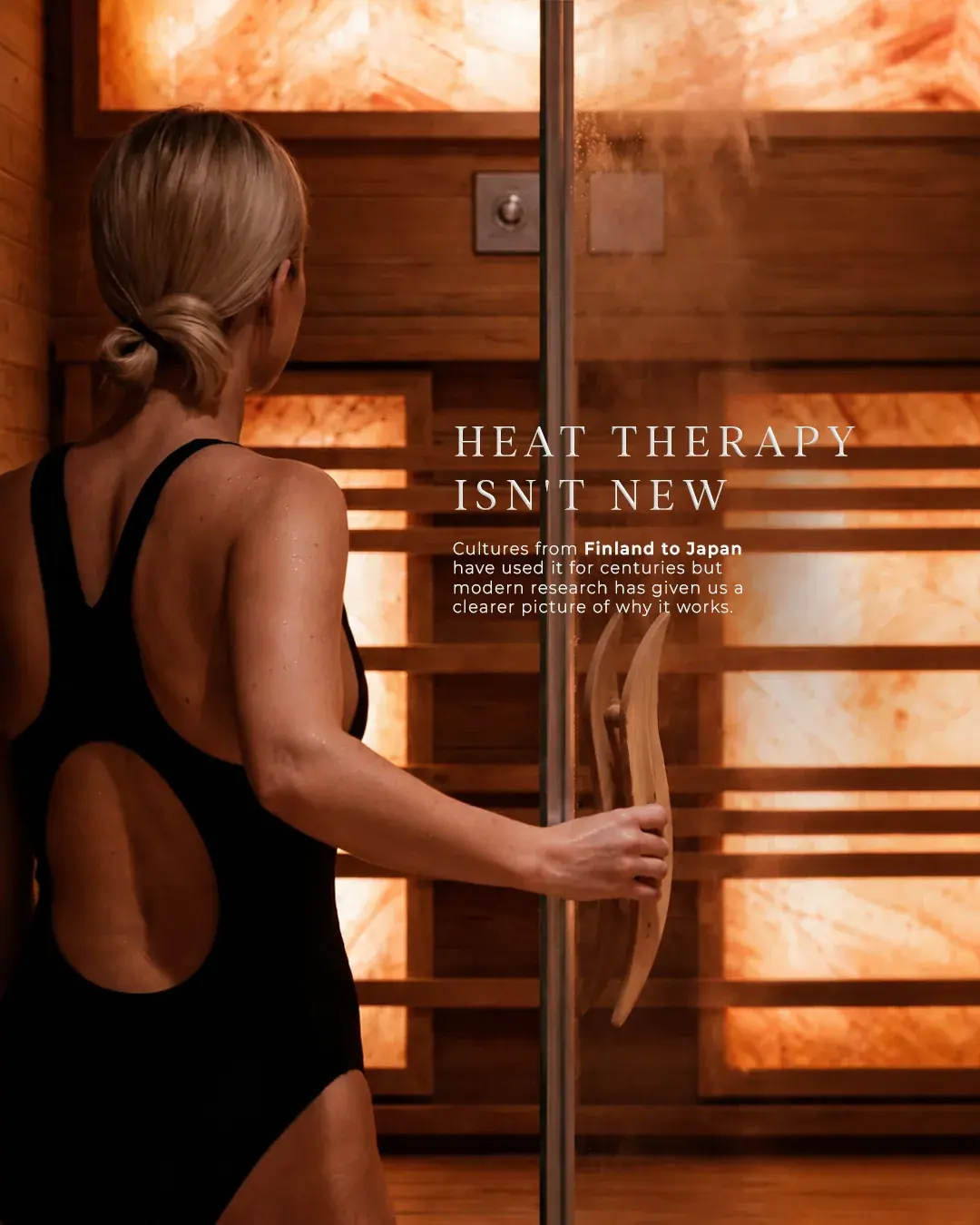
Heat therapy isn't new, cultures from Finland to Japan have used it for centuries but modern research has given us a clearer picture of why it works.
Muscle recovery and pain relief. The increased circulation that comes with sauna heat helps deliver oxygen-rich blood to tired muscles, which may ease soreness and stiffness after exercise. This is why saunas are a fixture in athletic recovery routines.
Heart and circulatory health. Some of the most compelling research comes from long-term studies on regular sauna users, which have associated frequent sauna sessions with better cardiovascular markers. The mechanism is intuitive: the heat gently elevates heart rate and improves blood flow in a way that loosely mimics light cardiovascular activity.
Stress relief and better sleep. Few things feel as disarming as sitting in warm, quiet heat. Many users report that saunas help them unwind, and the post-sauna cool-down is often linked to deeper, easier sleep.
Skin and that post-sweat glow. Sweating helps clear the pores, and improved circulation can leave skin looking refreshed, the reason a sauna session often comes with a noticeable post-session glow.
Sauna benefits for men
For men, the appeal often centers on recovery and performance. Active men and gym-goers use saunas to ease post-workout soreness and support circulation. The relaxation benefits matter too, regular heat exposure is a simple, low-effort way to decompress and manage everyday stress.
Sauna benefits for women
For women, saunas are frequently part of a broader wellness and self-care routine. Beyond relaxation and stress relief, many appreciate the skin and circulation benefits, and the simple ritual of carving out quiet, screen-free time. As with any heat therapy, women who are pregnant should consult a doctor before using a sauna.
Sauna benefits and disadvantages: what to keep in mind
No wellness practice is one-size-fits-all, so here's the honest picture.
On the plus side: saunas are low-effort, deeply relaxing, and the benefits compound with regular use.
The trade-offs to respect: heat is powerful. Sessions should be kept reasonable, most people start with 10 to 15 minutes and hydration is essential, since you'll lose fluid through sweat. (For the same reason, any "weight" you drop right after a session is water, not fat, and returns once you rehydrate.) People with heart conditions, low blood pressure, or who are pregnant should check with a healthcare professional first. If you ever feel dizzy or unwell, step out and cool down.
Used sensibly, though, a sauna is one of the gentlest, most pleasant wellness habits you can build.
Why home saunas are booming in the Philippines
The biggest shift in 2025 isn't whether Filipinos are interested in saunas, it's where they want to use them. The convenience of stepping into your own sauna, on your own schedule, without booking a spa or paying per session, has driven a clear move toward home wellness setups.
It helps that home saunas are far more accessible than most people assume. Local wellness brands such as Zion now offer a range of home sauna options, from compact carbon-heater units to outdoor and Himalayan salt models, with entry-level sauna prices starting at around ₱85,000. That's reframed the sauna from a luxury you visit into an amenity you own, much like a treadmill or a quality mattress.
For those who want to try before they buy, visiting a showroom to experience the heat firsthand is the most common first step.
Frequently asked questions
- How often should I use a sauna?
- Many regular users go a few times a week. Start with shorter, less frequent sessions and build up as your body adapts.
- How long should a sauna session last?
- Beginners typically start with 10–15 minutes. Listen to your body and exit if you feel uncomfortable.
- Is a sauna safe for everyone?
- Most healthy adults can use a sauna safely, but anyone who is pregnant or has a heart condition, low blood pressure, or other medical concerns should consult a doctor first.
- What's the difference between a traditional and an infrared sauna?
- A traditional sauna heats the air to high temperatures; an infrared sauna uses light to warm your body directly at lower, often more comfortable temperatures.
- How much does a home sauna cost in the Philippines?
- It depends on the type and size, but home sauna prices generally start in the ₱85,000 range and rise from there for larger outdoor or premium models.